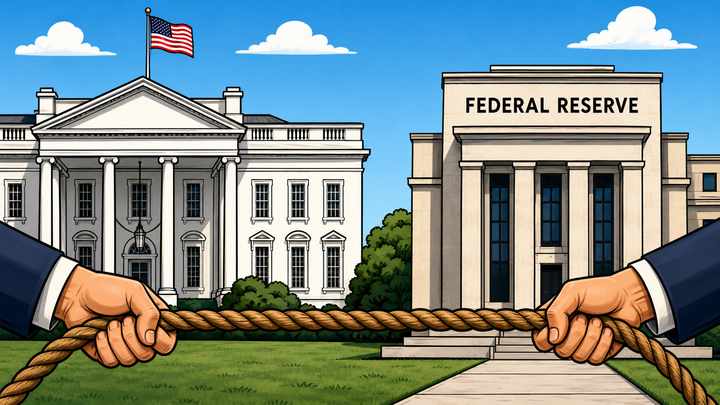
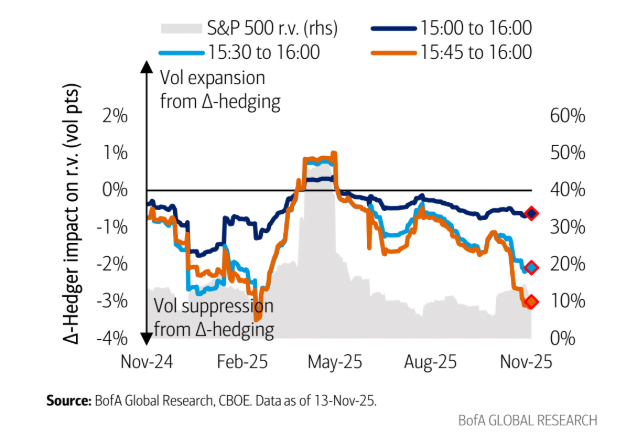
Ethereum is up. Here's why we should hike rates immediately
The Federal Reserve will make its next interest rate decision on Wednesday, July 29. The market expects the Federal Reserve to keep rates unchanged
Better to hike this week instead of September
Bonds
Long-term US government bond yields increased, so did real yields. At the same time, US tech bond prices have decreased. Credit spreads for large tech companies have increased.
Those changes make financial conditions tighter.
Higher bond yields increase the cost of new debt. Wider credit spreads also increase the cost of borrowing. These large tech companies need a large amount of capital for the AI infrastructure.
Many of these companies issue bonds to finance capital expenditure for things like data centers, computer chips, power systems, network equipment, etc.
While investors now question the return on this expenditure. As a result, some bond investors want a higher return before they provide more capital. That's a problem that can affect the AI bubble, as it can affect semiconductors and other suppliers.
Government Debt Supply Adds More Pressure
Long-term bond investors are worried about inflation. They're concerned about the future supply of government debt.
This chart shows that the US government expects revenue of ~$5.6 trillion in fiscal year 2026. It also expects a deficit of approximately $1.9 trillion. The government expects to pay ~$1.9 trillion in interest.
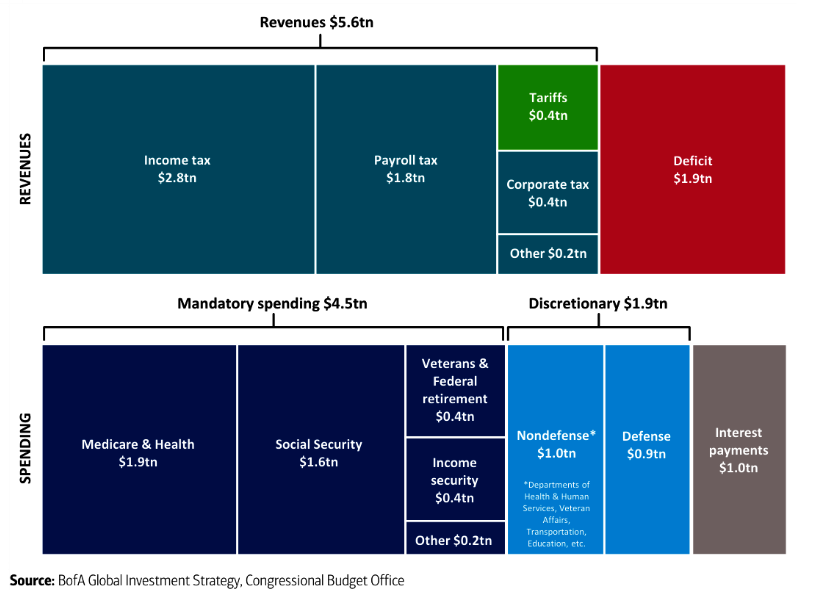
The government has to issue more debt to finance the deficit. That increase in the supply of government bonds, and if the demand doesn't go up at the same rate, the additional supply can keep long-term yields high.
A Rate Increase Could Calm Long-Term Bonds
A rate hike normally increases short-term interest rates. However, it can have a different effect on long-term interest rates.
Long-term bond investors are concerned about inflation. They are also concerned about the future supply of government debt.
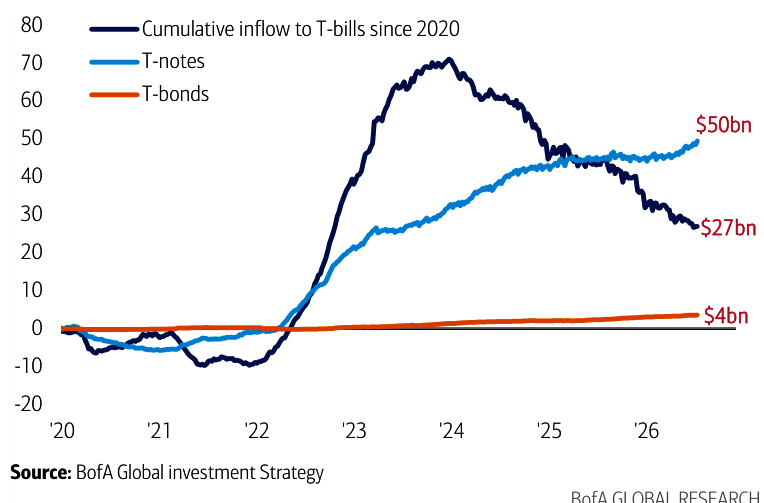
If the Federal Reserve increases rates, it can show they have control over inflation. That action alone can boost confidence in long-term bonds. Long-term yields can then also stop increasing or start to fall.
The Federal Reserve could therefore increase short-term rates to reduce pressure on long-term rates.
One rate increase does not automatically require more rate increases. The Federal Reserve can increase rates once. The Federal Reserve can hike rates once and, after that, look at the data.
Timing of rate hikes
A rate hike now has a lower political cost than a rate increase in September.
The US midterm elections will happen in November. A September rate increase would occur much closer to the elections.
An increase in rates in September or October is closer to the midterm elections. Higher rates make mortgages, business loans, and other forms of credit more expensive. They can also reduce economic activity and asset prices. Trump could then say that the Federal Reserve damaged the economy before the elections.
However, the Federal Reserve also has a problem if it does not hike rates. Both critics and Democrats could say that political pressure affected the decision. They could also say that the Federal Reserve protected the government before the elections.
The Federal Reserve must therefore show that it makes decisions based on economic data. The conflict with Iran and the increase in oil prices can support the case for an earlier rate hike. Higher oil prices can increase inflation.
However, this is only one part of the argument. The main concern is the effect of inflation and bond yields on financial conditions.
Federal Reserve Independence Problem
The independence of the Federal Reserve is a concern. Trump made a criminal investigation against the previous leadership. Trump then nominated Kevin Warsh as the new chairman.
Obviously, people asked, "Does the Federal Reserve make decisions with economic data or with political pressure?
An early rate increase could show that the Federal Reserve is willing to act against inflation.
An external cause shields them from 2 different accusations at the same time. The government cannot say that the Federal Reserve attacks its economic record. The democrats can't say that the Federal Reserve helps the government.
Prediction markets
Prediction markets for "no change" are near 72 cents. The price for a 25bps rate hike is near 28 cents. The CME FedWatch shows a value near 38%. The target range is now 3.5% - 3.75%
Risk?
A rate hike will increase the total cost for capital expenditure. The market already doubts the return on expenditure. Hyperscalers' bond sales are a large part of the global credit impulse (hence the effect on the market).
- Higher rates increase the cost of debt.
- Higher debt costs reduce the expected return on new projects.
- Lower expected returns can reduce capital expenditure.
- Lower capital expenditure can reduce demand for chips and infrastructure.
- Lower demand can reduce company earnings and stock valuations.
Bank stocks usually benefit when long-term yields go up. However, very high yields can hurt credit growth and asset prices, to the point that it could become a net negative for banks.
Conclusion
A rate hike this week would politically be easier than a rate hike in September. Despite hiking now being a possible better idea, the Federal Reserve can still keep rates unchanged, as they can still give in to political pressure.